The Review
Clarins Blue Orchid Face Treatment Oil Review
A full review of Clarins Blue Orchid Face Treatment Oil: the hazelnut and blue orchid formula for dehydrated skin, the aromatic character, the classic application ritual, and who should skip it.

How this review was made: from the manufacturer's published formula and specifications, the live Amazon listing, and recurring themes in owner commentary. Eclat Press does not claim hands-on testing it has not done, and publishes no scores.
Hazelnut, blue orchid and the dehydrated brief
The listing describes the hazelnut oil as rich in vitamin E and omega 9, and that base explains the oil's particular hand feel: nourishing without the weight of a nut butter heavy blend, and quick enough over damp skin to feel like a treatment rather than a coating. Blue orchid extract leads the formula's identity, in the Clarins tradition of naming the oil for its signature plant. The bottle states 100 percent plant extracts, and the formula's short, botanical character is the point: this is an oil from before the era of twelve active serums, doing one job with a small cast.
The application ritual and the aroma
Clarins directs the classic method: a few drops warmed in the palms, then pressed over a face left damp from cleansing or toning, with the warmth of the hands doing the spreading. Worked that way, the oil behaves like a short facial massage medium, and owners who adopt the ritual tend to become the product's longest serving fans. The aroma is the honest divider. It is a composed, spa like scent with patchouli in it, noticeable at application and present in the room for a while after. Readers who find that luxurious and readers who find it intrusive are both describing the same bottle accurately.
Owner themes: overnight comfort, scented loyalty
Owners praise the morning after most: skin waking softer, less tight, and more comfortable than the night before, especially in heated or air conditioned rooms. The ritual itself is the second theme, with long term users describing the scent as the signal that the day is over. Complaints concentrate on the fragrance, on combination skin finding it rich across the T zone, and on the premium price of a 30 ml bottle. The pattern is unusually predictable from the ingredient list, which is the mark of an honest product: it does what its formula says, for the skin its formula describes.
Blue Orchid is the elder statesman of this edit, a treatment oil from the house that built its name on plant oils, and its formula still argues its case well: hazelnut oil for nourishment, blue orchid for the dehydrated skin brief, and a 100 percent plant extracts statement on the bottle.
From the verdict
In Owners' Hands
Recurring themes, in aggregate and without numbers we cannot stand behind.
What owners praise
- Skin waking softer and less tight, the overnight result owners return to most
- The spa like aromatic ritual, which many owners describe as the reason it stays in the routine
- A little going a long way, with the dropper bottle lasting through a season of nightly use
What owners question
- The scent is the main divide: beloved by fans, too perfumed for others
- Some combination skin owners find it richer than expected on the forehead and nose
- The premium tier price for a 30 ml bottle prompts the usual value debate
Consider Instead

Biossance 100% Squalane Oil
The fragrance free, essential oil free seal for dehydrated skin that cannot take the aroma. The full head to head is in the comparison on this site.
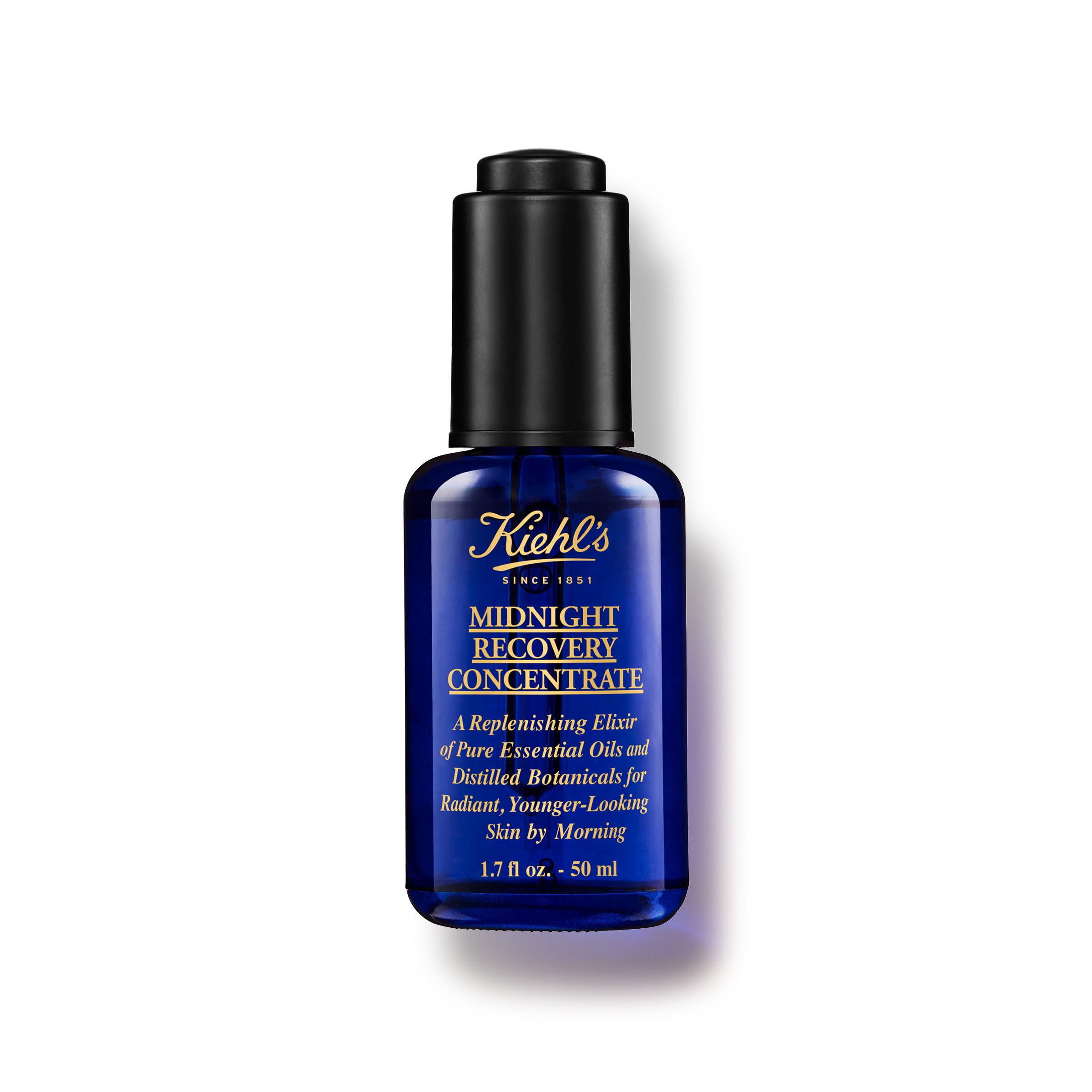
Kiehl's Midnight Recovery Concentrate
The other classic night oil, lavender led and lighter in texture, in a larger 50 ml bottle, for readers who want the evening ritual tradition with a different scent signature.
Questions, Answered
Is Blue Orchid for dry skin or dehydrated skin?
Its stated brief is dehydrated skin: skin lacking water and looking tight and dull, which can be dry, combination or even oil producing. Very dry skin that lacks oil as well as water usually pairs it with a cream, using the oil as the treatment layer rather than the only nourishment.
Why is Blue Orchid applied to damp skin?
The damp application is the Clarins method and it suits what oils do: the oil spreads thinner over a damp surface and helps hold that surface water in place. Apply it straight after cleansing or over a toner mist, press rather than rub, and let it settle before any night cream you layer over it.
Keep Researching
Every page in the Face Oils edit.
- 01Face Oils: the hubHub
- 02Best Face Oils 2027Best of
- 03Face Oils for Dry SkinGuide
- 04Squalane Face Oil Guide: Olive vs SugarcaneGuide
- 05Face Oil vs Serum: Order, Layering and When an Oil Seals the RoutineGuide
- 06Biossance Squalane + Vitamin C Rose Oil ReviewReview
- 07Sunday Riley C.E.O. Glow Face Oil ReviewReview
- 08Biossance 100% Squalane Oil vs Clarins Blue OrchidComparison
- 09Biossance Vitamin C Rose Oil vs Sunday Riley C.E.O. GlowComparison
- 10Face Oils Buying GuideBuying guide
- 11Face Oil Care and KeepingCare
More from the Serums and Treatments Desk
Serums and Treatments
Anti-Aging Creams
Eleven premium creams for the look of lines, read by active system rather than by promise
Read the edit
Serums and Treatments
Dark Spot Correctors
Serums for the look of dark spots, compared by ingredient route rather than by promise
Read the edit
Serums and Treatments
Face Serums
The premium serums a reader meets first, sorted by the job each one actually does
Read the edit
Disclosure: links on this page are affiliate links. As an Amazon Associate, Eclat Press earns from qualifying purchases, at no added cost to you. Rankings are never sold. See our affiliate disclosure and methodology.